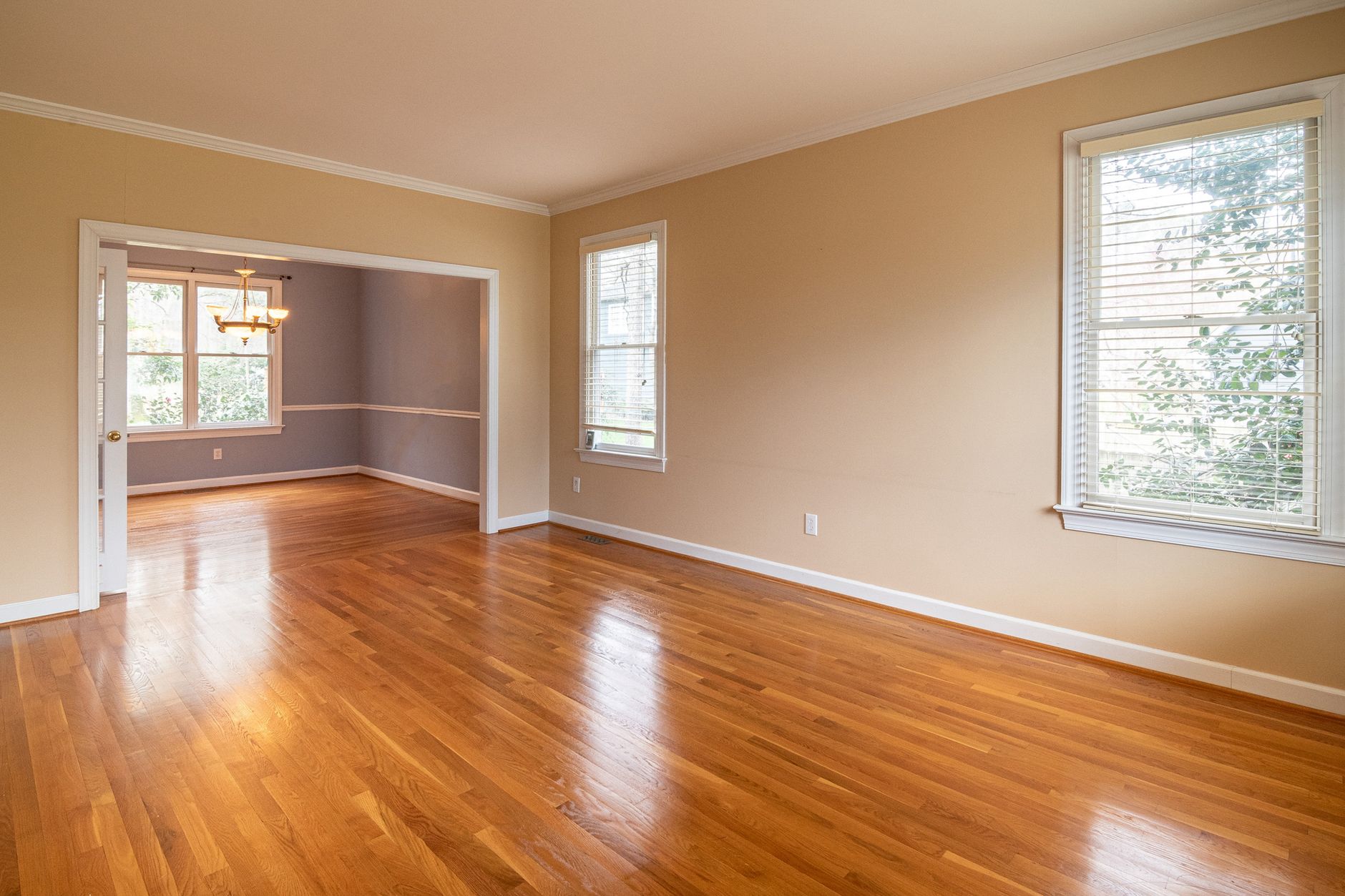
How to Furnish Your Home on a Budget: Ideas, Tricks, and Bonuses Not to Miss in 2026
Have you just signed a mortgage or are you paying rent that leaves you with little margin each month? Furnishing your home may seem like a luxury, but with the right approach it can become a satisfying and surprisingly affordable project. In 2026, with thriving secondhand markets, digital exchange platforms, and tax incentives still active, opportunities for those who want to furnish well without spending a fortune are more numerous than ever.
The key is to plan before you buy, leverage every available resource — including state bonuses for those undertaking renovation — and adopt a creative mindset that transforms budget limitations into style opportunities. It's not about sacrificing aesthetics, but redefining how you approach furnishing: not as an impulsive expense, but as a reasoned investment, piece by piece.
In this article you'll find a practical and comprehensive path: from furniture savings strategies to tax breaks, from visual tricks to enhance spaces to tips for renters who don't want to touch the walls. Read to the end: some of the ideas you'll find here could truly change how you see your home.
Plan Before You Spend: A Realistic Budget for Those With a Mortgage or Paying Rent
The first mistake people make when furnishing a home is the lack of a clear financial plan. Anyone with a monthly mortgage payment knows well that the liquidity available for furnishing is often minimal, and that any unexpected purchase can unbalance the family budget. The same logic applies to renters: there's no point investing significant sums in a home you might leave within a year.
How to build a realistic budget:
- Calculate how much you can spend monthly after subtracting mortgage or rent, utilities, food expenses, and emergencies. A practical rule suggests allocating no more than 5-10% of net monthly income to furnishing, spreading purchases over time.
- Divide your home by priority: bedroom, kitchen, and bathroom come before living room and decorative spaces. Start with the essentials.
- Create a list with three columns: "essential now," "useful within 6 months," "desirable in the future." This exercise prevents impulse purchases.
- Track every expense on a spreadsheet or app like Spendee or Money Manager: seeing numbers in real time is the best antidote to compulsive shopping.
In 2026, with mortgage rates having progressively normalized after the peak of 2023-2024, many Italian families are managing monthly payments that remain significant. According to Bank of Italy data, over 30% of Italian families with mortgages allocate more than 30% of available income to loan repayment. In this context, furnishing "little by little" is not a fallback strategy, but an intelligent financial approach.
Where to Buy Furniture and Furnishings While Spending the Least
Once you've defined your budget, the question becomes: where to find quality furnishings at accessible prices? The Italian market now offers much more varied options than ten years ago, and some are genuine goldmines for those who know where to look.
Secondhand markets and online platforms
The secondhand market has exploded in Italy in recent years. Platforms like Subito.it, Facebook Marketplace, and Vinted (which has extended its presence to furnishings) allow you to find sofas, tables, bookshelves, and lamps in excellent condition at a fraction of the original price. A three-seater sofa that costs 900 euros in a store is often found for 150-200 euros on these platforms.
Tips for buying secondhand safely:
- Always check high-resolution photos and ask for additional images
- Prefer sellers with positive reviews
- Factor in shipping costs before closing the deal
- Inspect the item in person before payment
IKEA and the outlet market
IKEA remains one of the most convenient options for those furnishing from scratch, but few know about the "Like New" section found in many stores: furniture with damaged packaging or returns, sold with 30-70% discounts. Similarly, many mid-range Italian manufacturers have opened physical and online outlets to clear previous season collections.
DIY and creative recycling
Repainting a dresser you bought for 20 euros at the market, replacing handles on an old wardrobe, or recovering dining chairs: creative DIY is among the most effective strategies for furnishing on a budget. YouTube and Pinterest have thousands of Italian-language tutorials that guide even the least experienced through every step.
Renovation and 2026 Bonuses: How to Leverage Tax Incentives for Furnishing
One of the least-known aspects for those undertaking renovation is that tax bonuses active in Italy can cover not only construction work, but also the purchase of furniture and large appliances. This is a concrete opportunity to reduce the actual cost of furnishing.
The Furniture Bonus 2026
The Furniture Bonus is a 50% IRPEF tax deduction on expenses for purchasing furniture and large appliances (minimum energy class A for ovens, A or higher for washing machines and dishwashers), linked to a building renovation intervention occurring from January 1st of the previous year. In 2026, the deductible spending limit is set at 5,000 euros, to be divided into 10 equal annual installments.
How it works in practice:
- You must have started renovation work in 2025 or 2026 (even small projects: window replacement, bathroom redo, etc.)
- You purchase furniture or appliances by December 31, 2026
- You pay with bank transfer or credit/debit card (cash is not allowed)
- You report the expense in your tax return: you recover 50% over 10 years
On spending of 5,000 euros, the effective deduction is 2,500 euros, which significantly lowers the actual cost of furnishing.
50% Renovation Bonus
For actual construction work, the 50% Renovation Bonus is still active in 2026 on a spending limit of 96,000 euros per property unit. Anyone renovating a home — perhaps purchased with a mortgage — can thus reduce the cost of interventions that make the dwelling more functional and attractive: new flooring, wall replastering, creation of dividing walls.
Attention: for those renting, the renovation bonus is only accessible if the property owner consents to the work and contractually transfers the deduction to the tenant. This is a less common situation but not impossible to negotiate.
Visual and Design Tricks to Make Your Home Look Larger and Polished
Furnishing well doesn't just mean buying furniture: it means knowing how to use space, light, and color to create a harmonious environment. These tricks cost almost nothing and make an enormous difference.
The power of color
Paint is one of the most rewarding investments in terms of cost-to-impact ratio. A 2-liter can of quality washable paint costs between 15 and 25 euros and can completely transform a room.
- Light colors (cream white, light gray, beige) amplify luminosity and make rooms appear larger
- A single accent wall in a darker or more vibrant tone creates depth without overwhelming the space
- Painting ceilings in pure white is always the safest choice to increase the sense of height
Mirrors and lighting
Large mirrors are the best friends of anyone wanting to visually enlarge a space. Positioned opposite a window, they reflect natural light and visually double the room's depth. They're found at reasonable prices in discount furnishing stores or secondhand markets.
Layered lighting — using multiple light sources of varying intensity instead of a single central ceiling fixture — completely changes a room's atmosphere. Floor lamps, LED strips behind furniture, and reading lights can cost collectively 50-80 euros and deliver an interior-designer-level result.
Rugs, cushions, and textiles
Textiles are the quickest and most economical way to refresh a room's appearance. A well-positioned rug defines functional zones in an open space, while colorful cushions and throws update a dated sofa without replacing it. Fast-fashion chains like H&M Home, Zara Home during sales, or ethnic shops in city centers offer quality textiles at very affordable prices.
Special Tips for Renters: Furnishing Without Touching the Walls
Renters face an important constraint: they often can't drill holes in walls, paint, or structurally modify the apartment. But solutions exist.
- Removable adhesive strips (like 3M Command products) let you hang pictures, lightweight shelves, and decorations without leaving traces
- Removable and peel-and-stick wallpapers are now of excellent quality and durability, found on Amazon or in DIY stores starting at 15 euros per roll
- Multifunctional furniture (beds with storage, sofa beds, extendable tables) are essential in rental apartments, often of reduced size
- Plants and lighting transform any space without requiring authorization
- Freestanding shelving or floor-to-ceiling tension systems (that use leverage between floor and ceiling) allow you to optimize walls without drilling
Frequently Asked Questions
Q: With a recently opened mortgage, when is the right time to start furnishing? A: The advice is to wait at least 2-3 months after opening the mortgage to see how the family budget changes with the new payment. Start with essential furnishings (bed, some seating, functional kitchen) and proceed gradually, without rushing.
Q: Can the Furniture Bonus be used if you're renting? A: Generally, no. The Furniture Bonus is reserved for owners who have performed renovation work. However, in specific cases with written agreement from the owner and deduction transfer to the tenant, it may be accessible to renters too. Consult a tax accountant about your specific situation.
Q: What are the minimum renovation works that grant access to the 2026 Furniture Bonus? A: Even simple interventions like window replacement, bathroom renovation, or painting with qualified contractors can be sufficient. The important thing is that the work is documented by invoice and reported to the Construction Fund or ENEA where required.
Q: Is it worth buying IKEA furniture or investing more in quality pieces? A: It depends on your situation. When renting, IKEA is often the most rational choice: low prices, ease of disassembly and transport. For homeowners with a mortgage, investing in quality pieces for structural elements (kitchen, wardrobes) and saving on decorative ones is the better long-term strategy.
Q: How can I find an affordable interior designer for a consultation? A: Many emerging professionals offer online consultations (even via video call) at very reasonable prices, from 50 to 150 euros per hour. Platforms like Habitissimo or Houzz let you compare profiles and quotes. Social media like Instagram are also useful for finding emerging designers available at accessible rates.
Conclusion
Furnishing your home on a budget is not a compromise: it's a conscious choice that requires planning, creativity, and the ability to leverage all available resources. If you're paying a mortgage, prioritize essential purchases and spread expenses over time; if you're renting, focus on reversibility and versatility. In both cases, don't forget to check if you're eligible for the Furniture Bonus or other incentives related to renovation: they can significantly reduce the actual cost of furnishing.
The final tip? Start with one room, do it well, learn from the process, and then move to the next. The ideal home isn't built in a weekend, but one piece at a time — and often the most beautiful results come from the tightest budgets.