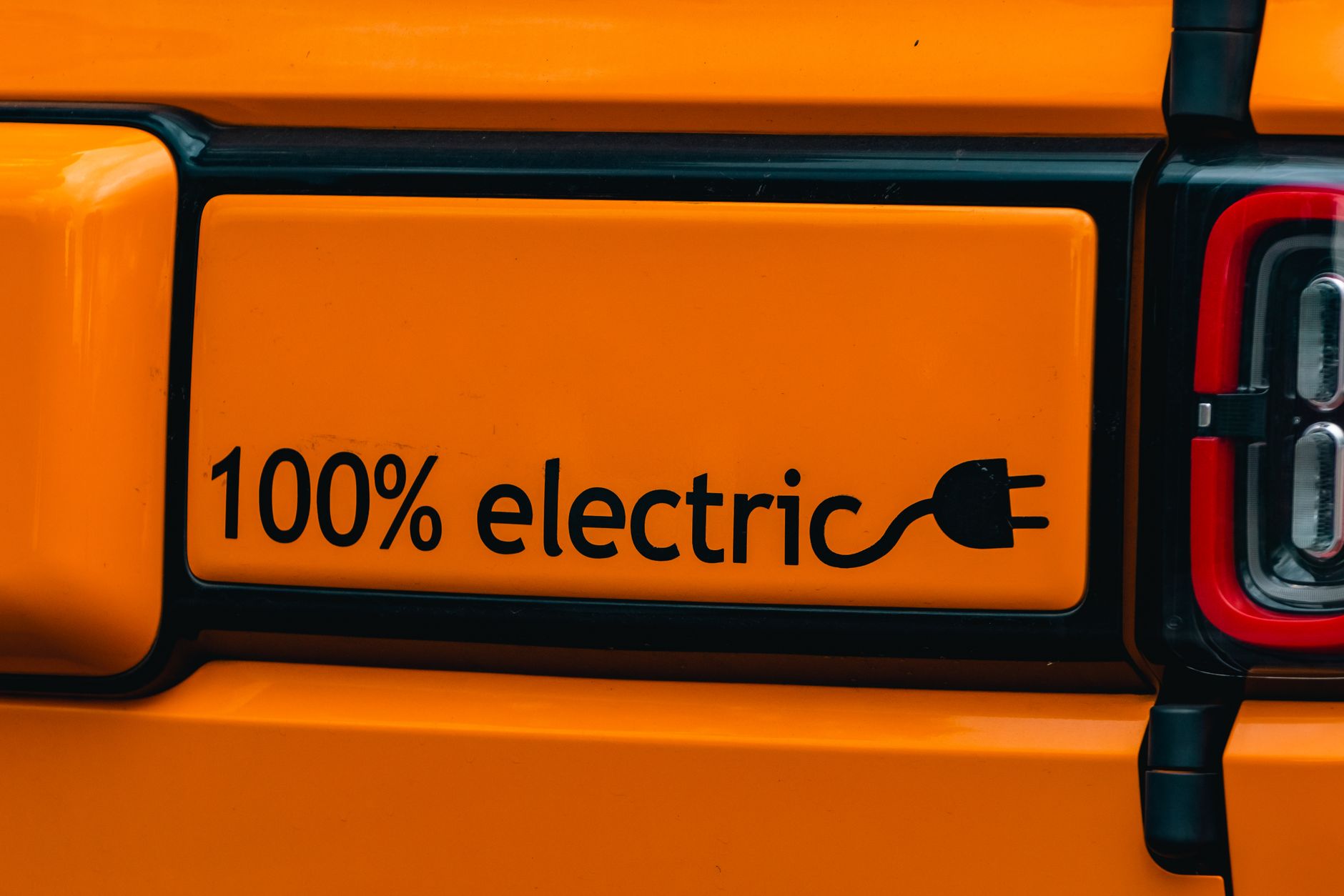
2026 Car Incentives: Complete Guide to Who Can Request Them
Did you know that in 2025 over 340,000 Italians benefited from state incentives for vehicle purchases, yet almost 60% of those who met the requirements didn't apply simply due to lack of information? A figure worth reflecting on, especially now that the government has restarted the incentive machinery with updated funding and clearer rules than in previous years. 2026 presents itself as a crucial year for anyone wanting to change cars while spending significantly less.
The topic of car incentives has become increasingly central to the debate on private transportation in Italy, not only for economic but also environmental reasons. The European Union has confirmed the goal of zeroing emissions from new vehicles by 2035, and Italy is adapting with an incentive strategy aimed at driving sales of electric cars, plug-in hybrids, and to a lesser extent, low-emission traditional models. For anyone considering purchasing an SUV, a compact car, or a sedan, understanding how these incentives work can make the difference between saving €5,000 or saving nothing at all.
In this article you'll find a complete and updated guide as of May 2026: who can access the incentives, how to submit an application step by step, which models are eligible (including the best-selling electric SUVs), the most common mistakes to avoid, and projections on remaining funds. A practical guide designed for those who want to act in time, before resources run out — as reliably happens every year.
What you'll find in this article
- The structure of 2026 car incentives with spending caps by bracket
- Who is entitled to incentives and what requirements must be met
- How to submit an application step by step on the MIMIT platform
- The most common mistakes that cause you to lose the contribution
- The most convenient models to purchase with incentives (electric car and SUV)
- Forecasts on available funds and when they might run out
The structure of 2026 car incentives: budget, brackets and amounts
The implementing decree for 2026 car incentives, published in the Official Gazette in January, confirmed an overall allocation of 950 million euros, distributed across three main vehicle categories: low-emission cars (0–20 g/km CO₂), plug-in hybrid vehicles (21–60 g/km), and improved traditional engine vehicles (61–135 g/km). The largest share, approximately 430 million euros, is allocated to pure electric cars, confirming the government's strategic direction.
The maximum contribution amounts vary based on three main variables: the vehicle's emission bracket, the applicant's ISEE income level, and whether or not they have a vehicle to scrap. For an electric car (0–20 g/km), the base contribution is €6,000, rising to €8,000 with scrapping of a Euro 0, 1 or 2 vehicle, and to €13,500 for those with an ISEE below €30,000 and scrapping a polluting car. For plug-in hybrid vehicles (21–60 g/km), the contribution ranges between €2,000 and €4,000 based on the same variables. For traditional engines (61–135 g/km), the maximum contribution is €2,000 only with scrapping.
A new element introduced in 2026 concerns light electric commercial vehicles: for the first time, 150 million euros have been specifically allocated for zero-emission N1 vans, with contributions up to €9,000 with scrapping, aimed at sole proprietors and small businesses. This reflects growing demand for electric mobility in the urban logistics sector, accelerated by the spread of e-commerce. According to UNRAE data updated to April 2026, electric cars now represent 14.3% of new registrations in Italy — a significant increase compared to 7.8% in 2024.
Who can request incentives: requirements and eligible categories
Understanding whether you fall into the eligible categories is the first fundamental step. Here's a structured overview of eligible subjects and required conditions:
| Applicant category | Bracket 0–20 g/km | Bracket 21–60 g/km | Bracket 61–135 g/km | |---|---|---|---| | Individual (resident in Italy) | ✅ Yes | ✅ Yes | ✅ Yes | | Individual with ISEE < €30,000 | ✅ Higher amount | ✅ Higher amount | ❌ No | | Businesses and professionals (VAT ID) | ✅ Yes (limit: 1 vehicle/year) | ✅ Yes | ❌ No | | Public entities and PA | ❌ No | ❌ No | ❌ No | | Legal entities (companies > 250 employees) | ❌ No | ❌ No | ❌ No |
General requirements for all categories:
- Residency or registered office in Italy at the time of application
- Vehicle purchased new (not used, not 0 km registered before the application)
- List price below €35,000 (VAT excluded) for individuals; €45,000 for VAT ID holders
- Vehicle retention for at least 12 months from registration date (penalty: contribution refund)
- Not having benefited from the same incentives in the previous 12 months for the same emission bracket
Scrapping is not mandatory but allows access to higher amounts. The scrapped vehicle must be registered to the purchaser (or their cohabiting family member) for at least 12 months, and must fall within Euro 0, 1, 2 or 3 classes for the electric bracket, Euro 0, 1, 2 for the hybrid and thermal brackets. It's a crucial detail many overlook: an Euro 3 car is not scrapable to obtain the contribution on a plug-in hybrid, but it is for pure electric.
Regarding electric SUVs, a highly sought-after category in 2026, it's important to verify that your chosen model falls within the price cap. Models such as the Fiat 600e, Jeep Avenger Electric, Renault Scenic E-Tech, and Volkswagen ID.4 entry-level comfortably fall within the limits. The Tesla Model Y, on the other hand, in its base version exceeds the €35,000 VAT-exclusive threshold and is not incentivizable for individuals.
How to submit an application: step-by-step guide
The procedure is entirely digital and takes place on the MIMIT platform (ecobonus.mise.gov.it). Here's the exact sequence to follow:
Step 1 — Registration on the portal Log in with SPID (level 2) or CIE to the ecobonus.mise.gov.it portal. If you don't yet have SPID, request it at least 3-4 days before funds open: during high-demand periods providers can experience queues.
Step 2 — Vehicle selection and agreement with dealer Before submitting your application, choose the vehicle and obtain a signed quote from the dealer with the model code and final price. Many dealers have a dedicated incentives area and can help you verify model eligibility in real time through the official MIMIT catalog.
Step 3 — Document collection Prepare: valid ID, tax ID number, IBAN of your bank account, valid ISEE certificate (if you want to access discounted brackets), and — if scrapping — registration document of the vehicle to be scrapped and proof of ownership.
Step 4 — Online application submission Access the "Book incentive" section, select the emission bracket, enter the data of the purchased and scrapped vehicle (if relevant), upload documents in PDF format and confirm. The system generates a booking receipt with a progressive number: keep it, it's your guarantee of a place in the queue.
Step 5 — Dealer confirmation and registration The dealer must confirm the booking within 7 business days and registration must occur within 180 days of booking. If either of these deadlines is not met, the booking expires and funds become available again for others.
Step 6 — Contribution disbursement The contribution is deducted directly from the purchase price: you don't receive a refund, but pay less at the time of purchase. The dealer then recovers the contribution from the State. This is important because it means you only need to have available the net amount after the incentive.
Step 7 — Post-purchase verification Within 30 days of registration, upload a copy of the vehicle logbook and purchase invoice to the portal to close the case. Failure to upload can generate contribution repayment requests.
Common mistakes that cause you to lose the incentive
Every year thousands of Italians lose the contribution due to avoidable mistakes. Here are the most frequent, documented by MIMIT reports and complaints from industry associations:
Mistake 1 — Submitting the application after signing the purchase contract The booking of the incentive must occur before signing the final purchase contract. Many sign enthusiastically and then discover that the application can no longer be accepted. Always verify portal availability before any financial commitment.
Mistake 2 — Choosing a model not listed in the MIMIT catalog Not all electric or hybrid vehicles are incentivizable: they must be certified in the M1 category (passenger cars) and present in the official portal list. Some trim variants of a model may be excluded even if the base version is eligible.
Mistake 3 — Expired or outdated ISEE ISEE is valid for one year and must be current at the time of application. Those who submit the DSU in January and obtain ISEE in April may find the portal already saturated. Renewing ISEE in December/January is a strategic move to be ready when funds open.
Mistake 4 — Vehicle to be scrapped not yet registered for 12 months If you purchased a used car to scrap less than 12 months before, you cannot use it to obtain the higher amount. This mistake is particularly common among those who buy an old car "specifically" to scrap it and then discover they don't meet requirements.
Mistake 5 — Not respecting the 12-month ownership requirement post-purchase Reselling the incentivized vehicle within 12 months of registration requires full refund of the contribution received, increased by legal interest. In 2025, MIMIT initiated over 12,000 recovery procedures for violation of this requirement.
2026 Trends: where the market is heading and what to expect
The Italian car market in 2026 is going through an accelerated transition phase. According to UNRAE data updated to April 2026, electric car registrations grew +38% in the first quarter compared to the same period in 2025, largely driven by incentives and growing availability of affordable models in the €25,000–€35,000 bracket. Compact electric SUVs now represent the fastest-growing segment: models like Jeep Avenger Electric, Fiat 600e, and Renault Scenic E-Tech have waiting lists of 3-5 months in many regions.
On the infrastructure front, by end of 2026 Italy should reach approximately 60,000 public charging points, compared to 43,000 at end of 2025, also thanks to PNRR funds allocated to sustainable mobility. This data is relevant for those still doubting electric car purchases for daily use: territorial coverage is improving significantly, especially along highways and in urban areas.
Looking ahead 12-18 months, it's likely that incentives for traditional hybrid brackets will be progressively reduced, while those for full electric may be maintained or even strengthened to push towards 2030 EU targets. Those considering a plug-in hybrid would be wise not to delay: current conditions may be the most favorable for years to come.
Frequently Asked Questions
Q: Are 2026 car incentives cumulative with regional bonuses? A: Yes, in many cases state incentives are cumulative with regional or municipal ones, but you need to verify case by case: some