Winter or Summer Tires: When to Change Them and Why (2026 Guide)
Every year, as the cold returns or the good weather arrives, millions of Italian drivers find themselves asking the same question: is it the right time to change tires? The answer is never as straightforward as it seems. Italian regulations establish precise time windows, but the optimal choice depends on where you live, what type of car you drive — whether it's an SUV, a traditional sedan, or an electric car — and how the roads in your area are used.
In 2026, the Italian automotive landscape has changed dramatically. Electric cars now represent a significant share of the vehicle fleet, SUVs continue to dominate sales, and EV incentives have pushed many Italians toward new vehicles, often with technical features different from traditional combustion engine models. All of this makes tire management more complex and more important than ever.
In this article you'll find a complete, updated, and practical guide: from legal deadlines to temperature thresholds, from advice for SUVs to specific tips for electric cars, plus the most frequently asked questions on Google. Read all the way through: it could save you from a hefty fine or, worse, from an accident.
Italian tire regulations: dates, obligations, and penalties
The Italian Traffic Code imposes precise requirements for using winter tires or carrying chains on board, but it's important to understand that there is no single date valid for the entire national territory. Ordinances vary from region to region, and some state roads or motorways have their own regulations imposed by ANAS or the motorway operator.
The most common time windows:
- Winter tires mandatory: generally from November 15 to April 15, with possible extensions in mountainous or particularly snowy areas (some ordinances start as early as October 1 or October 15).
- Summer tires "permitted": from April to October in plains and coastal cities.
- All-season tires: allowed year-round, provided they are certified M+S or 3PMSF (the symbol with a snowflake on a mountain).
The fine for driving with tires that don't comply with current ordinances ranges from €422 to €1,697, with possible license suspension in case of repeat offenses. It's a risk not worth taking.
An often overlooked element: regulations don't just talk about months, but about temperatures. The golden empirical rule is the 7°C threshold: below this temperature, summer tires lose elasticity, braking distance increases, and lateral grip is significantly reduced. Above 7°C, on the other hand, winter tires overheat and wear out faster, with a negative impact on fuel consumption or the range of an electric car.
Tires and electric cars: why the rules change
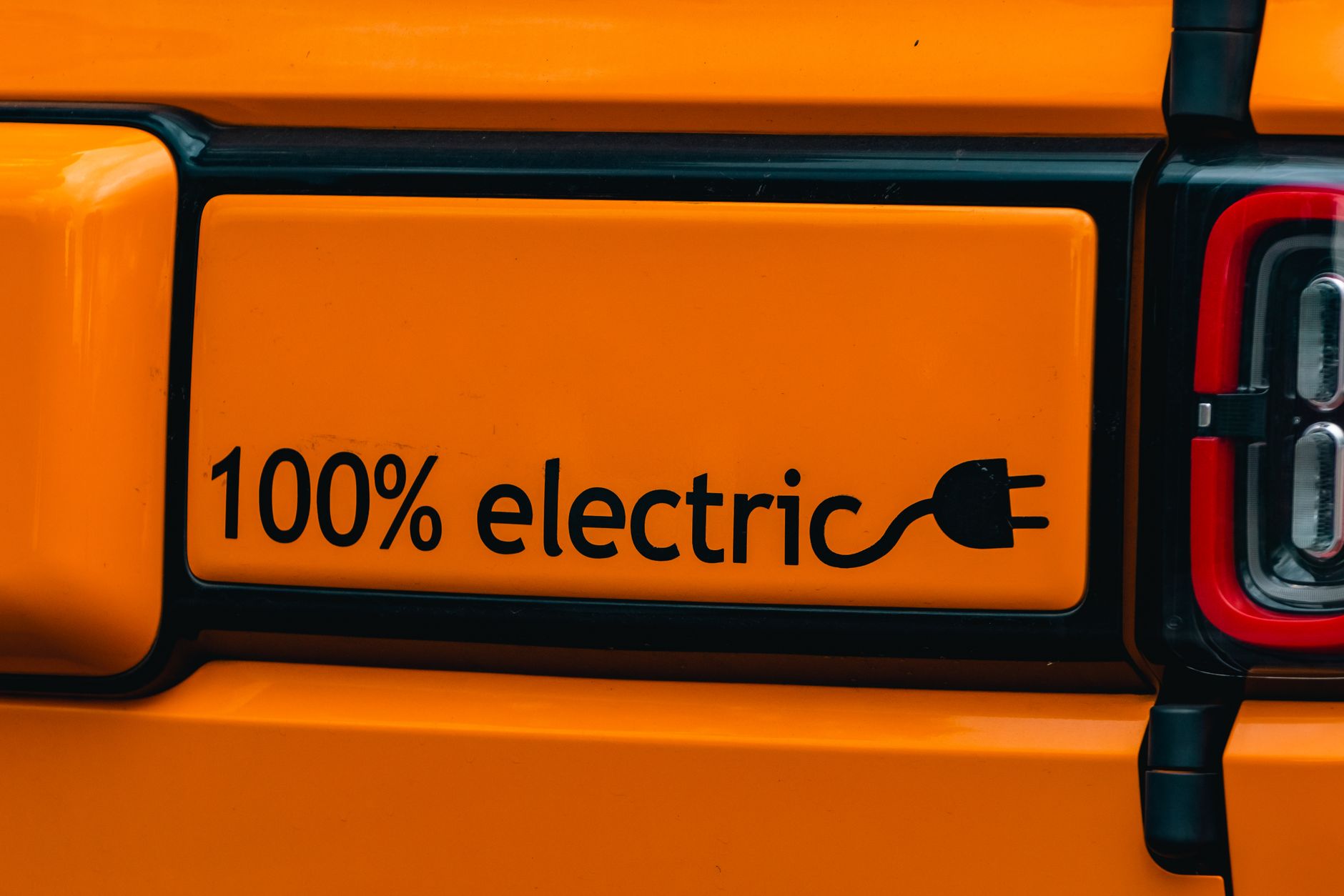
If you've purchased an electric car — perhaps taking advantage of Italian Government EV incentives, still active in 2026 for BEVs (Battery Electric Vehicles) up to €35,000 — you should know that tire management for these vehicles has specific characteristics that are often overlooked.
Why EVs wear tires more:
- Greater weight: batteries make an electric car typically 200-400 kg heavier than an equivalent combustion engine vehicle. This translates into greater wear, especially on the rear tires.
- Instant torque: electric motors deliver full torque from zero RPM, which means more stress on tires during acceleration.
- Regenerative braking: reduces wear on traditional brakes, but can create asymmetric stress on tires if not managed properly.
What to look for in a tire for an electric car:
- Energy class A or B label (lower rolling resistance = greater range)
- "EV" or "Electric" marking present on some specific models
- Load index adequate for the vehicle's higher weight
- Low noise levels: EVs are very quiet, so you notice every slight noise from the tire
Many motorists who bought an electric SUV thanks to 2025-2026 EV incentives discover that original tires wear faster than expected. Checking tread depth every 10,000 km is recommended, compared to 15,000-20,000 km for combustion engine cars. The legal limit in Italy is 1.6 mm, but below 3 mm safety is already compromised.
SUV tires: when size makes the difference
SUVs, now predominant on Italian roads, pose specific challenges in choosing and changing tires. Whether it's a combustion engine SUV, hybrid, or purely electric, there are some considerations you can't ignore.
Differences compared to traditional sedans:
- SUVs mount tires of larger sizes (typically from 17" to 22" rims), with prices significantly higher than small cars
- The greater ground clearance makes them theoretically better suited for winter conditions, but doesn't exempt them from the requirement for winter tires in areas subject to ordinances
- The higher center of gravity makes them more sensitive to understeer on slippery surfaces with summer tires
- Many SUVs are all-wheel drive (AWD or 4WD), which improves traction but not braking: with summer tires on snow, stopping distance remains dangerous
Practical advice for SUV drivers:
- Always verify that winter tires are certified 3PMSF (three mountain peaks with snowflake): the simple M+S marking doesn't guarantee adequate performance on snow and ice
- For SUVs used in mountains or snowy areas, consider studded tires if your region permits them (in Italy they are allowed in specific Alpine areas from October to April)
- Check pressure more frequently in winter: every 10°C drop causes pressure to fall by approximately 0.1-0.2 bar
- Don't neglect wheel balancing: SUVs with large rims amplify vibrations related to imbalances
All-season tires: universal solution or compromise?
More and more Italian drivers opt for all-season tires, especially those living in plains or cities, where snow is a rare event. But is it really the right choice?
Benefits of all-season tires:
- No seasonal changes (saving time and mounting costs, around €50-80 per change)
- Regularly allowed as a substitute for winter tires under Italian ordinances, provided they are marked 3PMSF
- Good performance in rain and moderate cold conditions
- Ideal for those who drive few kilometers per year
Disadvantages and limitations:
- Lower performance than specific winter tires on deep snow and ice (braking distance up to 15-20% longer)
- Lower performance than summer tires in hot weather on asphalt (risk of overheating above 25-30°C)
- Not recommended for those who regularly tackle alpine passes or mountain roads in winter
- For heavy electric cars, the rolling resistance of all-season tires is often higher, with an impact on range estimated between 3% and 7%
The verdict: all-season tires are a sensible choice for those living in cities or temperate areas, driving less than 15,000 km per year and not frequenting mountains in winter. For everyone else, seasonal changes remain the safest and most economically rational solution in the long term.
Frequently Asked Questions
Q: From April 15 can I immediately switch to summer tires? A: Legally yes, in many Italian regions the winter tire requirement expires on April 15. But keep an eye on weather forecasts: if nights below 7°C or late frosts are still expected — not uncommon in the Apennines even at the end of April — it's safer to wait a few more days.
Q: Are all-season tires valid as winter tires under Italian law? A: Yes, provided they display the 3PMSF symbol (three mountain peaks with snowflake). Tires marked only with M+S are not accepted as a substitute for winter tires in most updated Italian ordinances.
Q: Do electric cars need special tires even in winter? A: There is no specific requirement different from combustion engine cars, but it's strongly advisable to choose winter or all-season tires specifically designed for EVs (with EV or Electric marking) to maintain acceptable range and ensure safety. Cold already reduces battery range by 15-25%: unsuitable tires further worsen the situation.
Q: Can I use EV incentives to cover tire costs? A: Italian EV incentives in 2026 are intended for vehicle purchase, not for accessories or tires. However, some dealers offer promotional packages that include a set of winter or all-season tires as an option; it's worth asking at the time of purchase, especially for incentivized electric models.
Q: How often should I replace tires even if tread is still good? A: The general rule is every 6 years from the production year (indicated on the tire's sidewall with the DOT code), with replacement at maximum within 10 years regardless of visible wear. Rubber ages and hardens even without driving, progressively and silently losing grip.
Conclusion
Changing tires at the right time is not a simple bureaucratic formality: it's a decision that directly affects your safety, your vehicle's fuel consumption, and the life of the tires themselves. The legal date is just the starting point: the actual temperature, the type of vehicle you drive — SUV, sedan, or electric car — and the roads you regularly travel must guide your final choice.
If you've purchased a new vehicle thanks to EV incentives and are still learning about its characteristics, pay extra attention to tires: they are the only point of contact between your vehicle and the road. Book tire changes in advance (shops are swamped in the busy periods of October and April), always check pressure and tread depth, and don't improvise with the weather.
Road safety starts from the bottom — literally.