How to read the news without being fooled
Between shouting headlines, opaque sources and content built to outrage, telling reliable information apart is a skill. Here's how to train it.
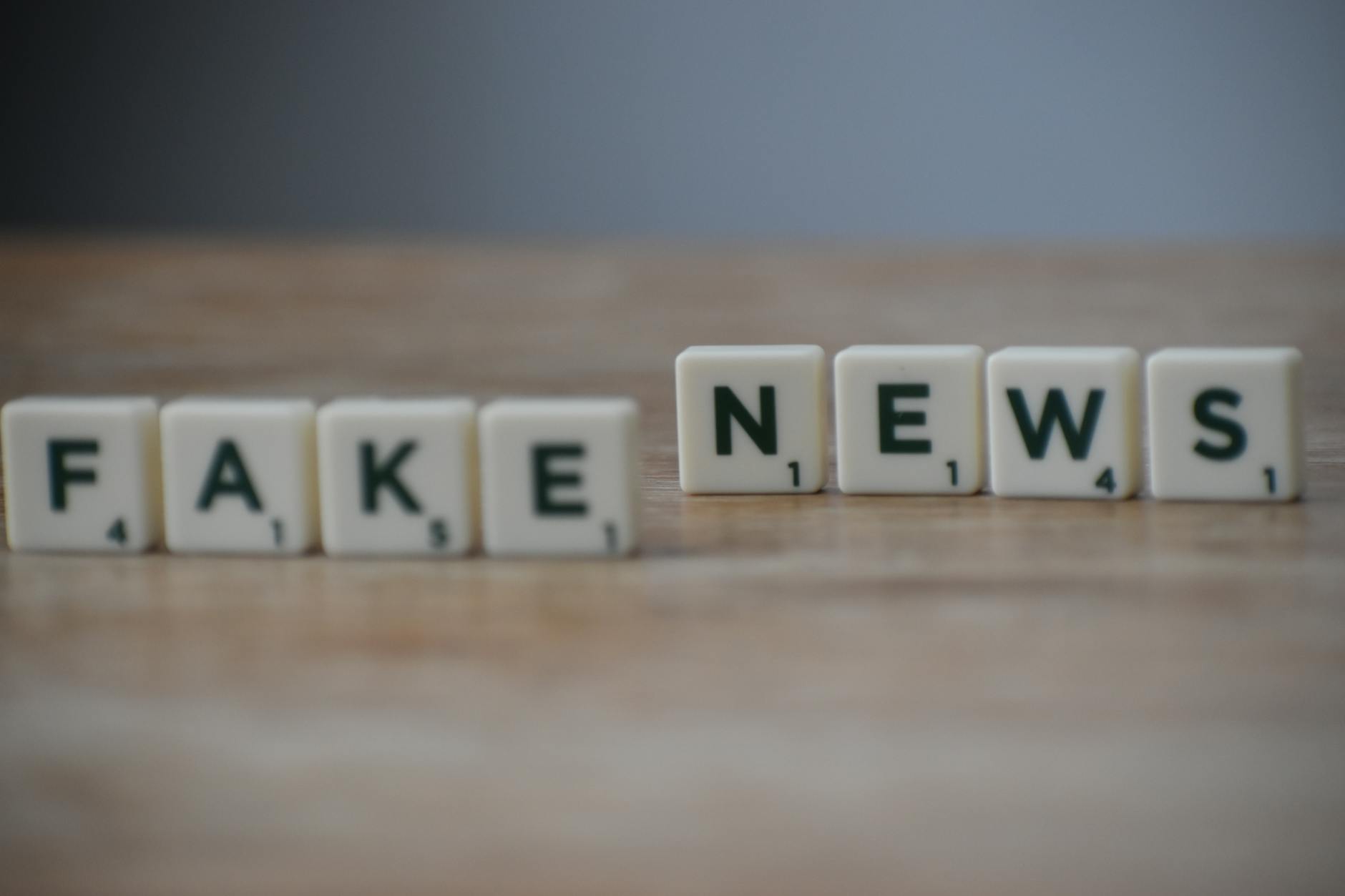
Never before have we had access to so much news, and never before has it been so hard to know what to trust. The same fact can be told in opposite ways, inflated, stripped of context or entirely fabricated. Reading the news critically is not cynicism: it is a civic skill that can be learned.
Be wary of the headline that agitates you
Headlines engineered to trigger instant anger, fear or outrage have one goal: the click. That is the mechanism of clickbait. A simple rule helps: if a headline makes you angry within three seconds, stop and read the article before reacting. The content is often far more nuanced than the headline — or doesn't support it at all.
Always ask who is saying it
The most powerful question is also the most basic: who is the source? Reliable news cites verifiable sources — documents, official statements, data, named experts. When an article rests on "sources close to", "it is said" or an anonymous social post, caution is in order.
Check who publishes it too: an outlet with an identifiable newsroom, a stated editorial line and real contact details offers more guarantees than an anonymous site created last week.
Separate facts from opinion
A good article keeps the two apart: on one side what happened, on the other the interpretation. Learning to spot the shift from fact to opinion helps you avoid mistaking the writer's viewpoint for objective reality. Both are legitimate, but they should be read with different awareness.
Look for confirmation elsewhere
The acid test is cross-checking: if an important story is true, several independent sources usually report it. When a dramatic claim exists in only one place, it's worth waiting before sharing it. The rush to be first is the main engine of disinformation.
A few reflexes, applied consistently, radically change how we stay informed:
- Slow down before reacting or sharing.
- Check the source and who publishes it.
- Seek independent confirmation.
- Distinguish fact from opinion.
Staying well informed takes a little extra effort, but it is the difference between being swept along by the flow of news and actually understanding it. In an age of overload, critical attention is the most valuable resource we have.
Sources
About the author
Luca FerrariLuca reports on climate, energy and the big current-affairs themes, connecting the day's facts to long-term trends.