Magnitude-7.8 Earthquake Devastates Southern Philippines: At Least 19 Dead, Buildings Collapse and Tsunami Waves Triggered
A powerful earthquake struck the southern Philippines early Monday, killing at least 19 people, collapsing structures across multiple cities, and generating small tsunami waves felt as far as Indonesia and Japan.
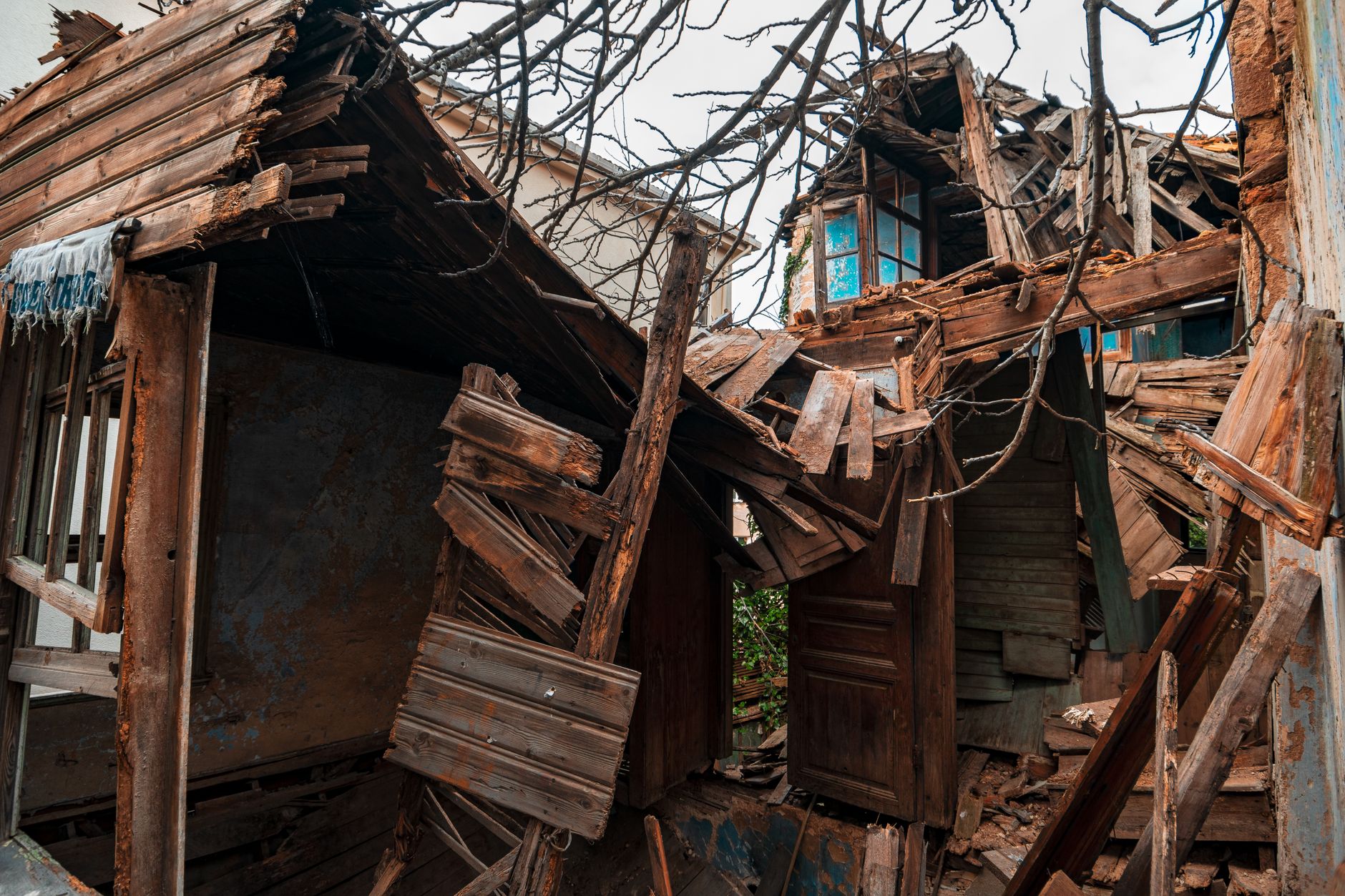
A Violent Awakening in the Southern Philippines
In the early hours of Monday morning, a massive magnitude-7.8 earthquake tore through the southern Philippines, sending residents fleeing into the streets, collapsing buildings, and triggering tsunami warnings across a wide swath of the Pacific region. The death toll, which stands at a minimum of 19 people confirmed killed, is expected to rise as rescue workers comb through rubble and damaged structures. Authorities have warned residents to stay away from compromised buildings as the threat of aftershocks looms large over already-shaken communities.
The event is one of the most powerful seismic episodes to strike the Philippines in recent years, and its shockwaves — both literal and figurative — have reverberated far beyond the archipelago itself, reaching the coasts of Indonesia and Japan in the form of small but discernible tsunami waves.
The Earthquake: What Happened and Where
The quake struck in the early morning hours local time, a period when many people were still asleep or just beginning their day. The epicenter was located in the southern Philippines, a region that encompasses the large island of Mindanao and surrounding areas — one of the more seismically active zones in a country that sits directly astride the so-called Pacific Ring of Fire.
At a magnitude of 7.8, this is classified as a major earthquake by geological standards. For context, quakes in the magnitude-7 range are capable of causing serious damage over large areas, and a magnitude-7.8 represents an enormous release of energy — roughly six times more powerful than a 7.0 event on the logarithmic Richter-adjacent scale seismologists use. Buildings of all types — from reinforced concrete structures to more modest residential homes — were affected across multiple communities.
Robert Dagon, a police official in General Santos City, confirmed to Agence France-Presse that numerous buildings were damaged in his jurisdiction alone, while stressing that rescue operations were still actively underway and a full accounting of structural damage would take time to compile. "Many buildings were affected, but I cannot enumerate them now because we are busy with ongoing rescues," he said.
Tsunami Waves Reach Three Nations
Perhaps the most alarming secondary consequence of the quake was the generation of tsunami waves, which were detected in the Philippines, Indonesia, and Japan. While reports describe these waves as relatively small in scale — avoiding the catastrophic inundation associated with events like the 2004 Indian Ocean tsunami or the 2011 Tōhoku disaster in Japan — their reach across such a vast geographic area underlines the sheer energy released by the seismic event.
Tsunami warnings and advisories were issued across the affected region following the quake, prompting coastal evacuation orders in several areas. In the Philippines, residents in low-lying coastal zones were urged to move to higher ground as a precaution. The warnings were subsequently adjusted as the waves were assessed and monitored by regional tsunami warning centers, including those operated by Japan's Meteorological Agency and the Pacific Tsunami Warning Center.
The very fact that wave activity was detected in Japan — thousands of kilometers from the Philippines — speaks to the scale of energy involved and serves as a reminder that even "small" tsunami events can disrupt maritime traffic, damage coastal infrastructure, and pose real risks to those caught in vulnerable areas.
Rescue Operations and the Human Cost
As daylight spread across the affected regions on Monday, emergency responders, military personnel, and volunteers began the grim and dangerous work of searching through damaged and collapsed structures. The confirmed death toll of at least 19 represents only what could be verified in the immediate aftermath; experience from previous major earthquakes in the Philippines and elsewhere in Southeast Asia suggests that figures often climb substantially in the hours and days that follow, as rescuers reach more isolated communities and as the full scope of building collapses becomes clear.
Authorities issued strong advisories against residents returning to or entering damaged homes and other buildings. The risk of aftershocks — secondary quakes that frequently follow a major seismic event and can destabilize structures already weakened by the initial tremor — remains a serious concern. In past Philippine earthquakes, deaths and injuries have occurred during the recovery phase when people returned prematurely to compromised buildings that subsequently collapsed during aftershocks.
Hospitals and medical facilities across the southern Philippines have been placed on emergency footing to receive casualties. Given that some medical infrastructure in the region may itself have sustained damage, the capacity to treat the injured is a pressing logistical concern for local and national authorities alike.
The Philippines and Seismic Risk: A Nation on the Ring of Fire
To understand why events like this Monday's earthquake are, tragically, not a surprise, it is essential to appreciate the Philippines' extraordinary geological position. The archipelago of over 7,600 islands sits at the intersection of several major tectonic plates — the Eurasian, Philippine Sea, and Indo-Australian plates among them — making it one of the most seismically active countries on the planet.
The Philippines experiences hundreds of earthquakes every year, the vast majority too small to be felt. But major destructive quakes recur with troubling frequency. Mindanao in particular has a long history of powerful earthquakes. In 1976, a devastating quake and tsunami struck the Moro Gulf region, killing thousands of people. More recently, a 6.9-magnitude earthquake hit the Davao region of Mindanao in 2019, killing at least 13 people and injuring hundreds more, and another series of quakes in late 2019 caused widespread destruction across the island.
Despite decades of experience and the development of national disaster risk reduction frameworks, the combination of rapid urbanization, informal settlement construction that may not meet modern earthquake-resistant building standards, and the sheer unpredictability of seismic events continues to make the country highly vulnerable. The challenge is compounded in more remote or economically disadvantaged areas where building quality and emergency response capacity can be significantly lower.
Regional Impact and International Response
Beyond the Philippines, the earthquake's effects prompted rapid responses from neighboring countries and international bodies. In Japan, authorities monitored incoming wave data and communicated updates to coastal populations along the country's southern and western-facing coasts. Indonesia, already a nation with painful experience of tsunami disasters, similarly mobilized its early warning systems.
The event will likely prompt a formal review of regional tsunami preparedness protocols. The Pacific Tsunami Warning Center and the Indian Ocean Tsunami Warning System, both established or substantially upgraded following the catastrophic 2004 disaster, are designed precisely for scenarios like this one. Their performance in this instance will be closely examined by disaster risk specialists in the coming days.
International aid organizations and foreign governments typically begin coordinating potential assistance offers in the immediate wake of disasters of this magnitude. The Philippine government's response capacity, honed by decades of dealing with typhoons, volcanic eruptions, and earthquakes, is more developed than in many comparable nations — but the scale and geographic spread of this event will nonetheless stretch resources.
Aftershocks and the Days Ahead
In the immediate term, the primary concern of both authorities and ordinary citizens in the affected areas is the threat of aftershocks. After a major earthquake, the surrounding fault system undergoes a period of readjustment that produces a sequence of smaller — though sometimes still powerful — subsequent quakes. A 7.8-magnitude event generates a particularly long and energetic aftershock sequence; historical patterns suggest that aftershocks above magnitude 6.0 are statistically possible, each capable of causing additional damage and casualties.
The Philippine Institute of Volcanology and Seismology (PHIVOLCS), the national agency responsible for monitoring seismic activity, will be providing continuous updates on aftershock activity and advising local authorities on the evolving risk picture. Their guidance will be critical in determining when it is safe for displaced residents to return to their homes and when compromised structures must be formally assessed and potentially condemned.
Beyond the immediate safety phase, the recovery and reconstruction effort will unfold over months and years. Assessing the full extent of structural damage, supporting displaced families, and rebuilding public infrastructure such as roads, bridges, schools, and hospitals is an enormous undertaking even for a nation as experienced in disaster recovery as the Philippines.
Why This Earthquake Matters Beyond the Philippines
Major seismic events in the Philippines are not merely regional stories. They serve as powerful reminders of the ongoing and unresolved global challenge of earthquake preparedness and resilience, particularly in rapidly developing nations where urbanization often outpaces the implementation of building codes and land-use planning regulations that could save lives.
The Philippines' experience also offers lessons for other nations in seismically active zones — from Indonesia and Japan to Turkey, Nepal, and beyond — about what works and what does not in disaster risk reduction. Investment in early warning systems, public education, and earthquake-resistant construction standards can dramatically reduce casualties, as demonstrated by the difference in death tolls between similar-magnitude quakes in well-prepared versus underprepared contexts.
For the families of the at least 19 people confirmed killed on Monday morning, and for the many more who remain injured, displaced, or anxiously awaiting news of loved ones, the abstract geopolitical and policy dimensions of this story remain, for now, secondary. What matters most is the ongoing work of rescue, the provision of medical care, and the first steps toward rebuilding shattered lives in the aftermath of one of the most powerful earthquakes to strike their region in years.
Sources
About the author
Redazione NotiziHubThe NotiziHub newsroom selects the stories that matter from leading outlets and tells them clearly and verifiably, always citing its sources. Articles are produced by our editorial system with the help of artificial intelligence — the method is set out in our Editorial policy.