How to Increase Your Home's Value Before Selling: Complete Guide 2026
Are you thinking about putting your property on the market but worried that the market price won't reflect the true potential of your home? You're in the right place. Increasing a home's value before selling isn't just a matter of luck or favorable market conditions: it's a precise strategy, made up of well-considered choices that can make the difference between a downward negotiation and a satisfying sale.
In 2026, the Italian real estate market presents particular dynamics: mortgage rates, after the fluctuating period of recent years, have stabilized at more accessible levels compared to 2023-2024, restoring confidence among buyers. At the same time, demand for energy-efficient homes has grown exponentially, also thanks to the European "Green Homes" directive that sets specific renovation targets by 2033. This means that a well-renovated home, with good energy efficiency rating, is genuinely worth more on the market.
Whether you're considering small restyling projects or more substantial renovation work, this guide contains everything you need: from tax incentives still active in 2026, to practical advice for maximizing every square meter of your home, to strategies for positioning your property competitively on the market, whether for sale or for potential rental during the waiting period.
Strategic Renovation: Where to Invest to Maximize Return
Not all renovation work has the same impact on a property's value. The golden rule is to invest where the financial return exceeds the money spent. According to Italian real estate sector analyses updated to 2026, the interventions with the best cost-benefit ratio are those related to energy efficiency, the aesthetics of main spaces, and the functionality of systems.
Energy efficiency: the absolute priority
With the progressive implementation of the European Green Homes Directive, buyers are increasingly attentive to a property's energy rating. A home in class G or F is now perceived as a problem, not just aesthetic but economic: whoever buys it knows they'll have to face mandatory renovation costs in coming years. Conversely, a property in class A or B is worth on average 15% to 25% more than an equivalent with low energy rating, according to FIAIP data 2025-2026.
The most effective interventions in this regard include:
- Thermal insulation of walls (internal or external thermal wrap): reduces heat loss and significantly improves energy rating
- Replacement of window frames with double or triple-glazed models
- Installation of modern heating system (heat pump, condensation boiler)
- Installation of photovoltaic panels with storage system, increasingly sought after by the market
Kitchen and bathroom: the true value multipliers
After energy efficiency, kitchen and bathroom are the rooms that most influence the buyer's perception of value. An outdated bathroom, with '80s tilework and yellowed fixtures, communicates neglect and psychologically lowers the perceived price. A bathroom renovation with average spending between 5,000 and 12,000 euros can increase the overall property value by 15,000-20,000 euros, especially in urban centers.
For the kitchen, even just replacing cabinet doors, countertops and appliances with modern models — without touching the structure — can make an enormous difference. The key concept is: the buyer must be able to imagine living in that house immediately, without having to deal with construction sites.
2026 Tax Incentives: How to Use Them Before Selling
The landscape of building incentives in 2026 has been scaled down compared to the era of the 110% Superbonus, but significant allowances still exist that those planning a sale can and should take advantage of before selling the property.
Renovation Bonus at 36-50%
The deduction for ordinary and extraordinary renovation work is confirmed in 2026. The percentage depends on the type of property and nature of the work:
- 50% for primary residence on extraordinary maintenance, restoration and renovation work
- 36% for second homes and other residential properties
The deductible spending cap is 96,000 euros per property unit. Even if the deduction is "transferred" to the buyer in case of sale before completion of the benefit period (10 years), you can structure the transfer so as to include the residual value of the bonus in the negotiated selling price.
Ecobonus and energy efficiency interventions
The Ecobonus in 2026 guarantees deductions from 50% to 65% for energy efficiency improvement work, such as window replacement, installation of solar thermal panels and replacement of winter air conditioning systems. These interventions, in addition to guaranteeing immediate tax savings, improve the property's energy rating, with all the benefits already described regarding market value.
Earthquake Bonus (Sismabonus)
If the property is located in seismic zone 1, 2 or 3 (which in Italy covers much of the territory), the Earthquake Bonus allows deductions up to 80-85% for interventions to reduce seismic risk. A property classified in low risk class is significantly more appealing on the market, especially after seismic events that periodically affect the peninsula.
Attention to deadlines
It's essential to consult with an accountant or qualified technician about the specific deadlines for each incentive, as some allowances may have been extended or modified with the 2026 Budget Law. Acting promptly is the key: starting work with sufficient advance notice before the sale allows you to complete the interventions, properly document expenses and enhance the property in a documented way.
Home Staging and Presentation: the Psychological Factor That Makes the Difference
It may seem superficial, but first impression counts enormously in real estate negotiations. Home staging — that is, the art of preparing and presenting a property to make it as attractive as possible to the buyer's eyes — has proven to reduce selling times and increase the final price obtained.
What a good home staging includes:
- Total decluttering: eliminate personal items, excess furniture, decorative objects and everything that makes spaces feel "heavy." A clutter-free environment seems larger and allows the buyer to project their own lifestyle onto the home.
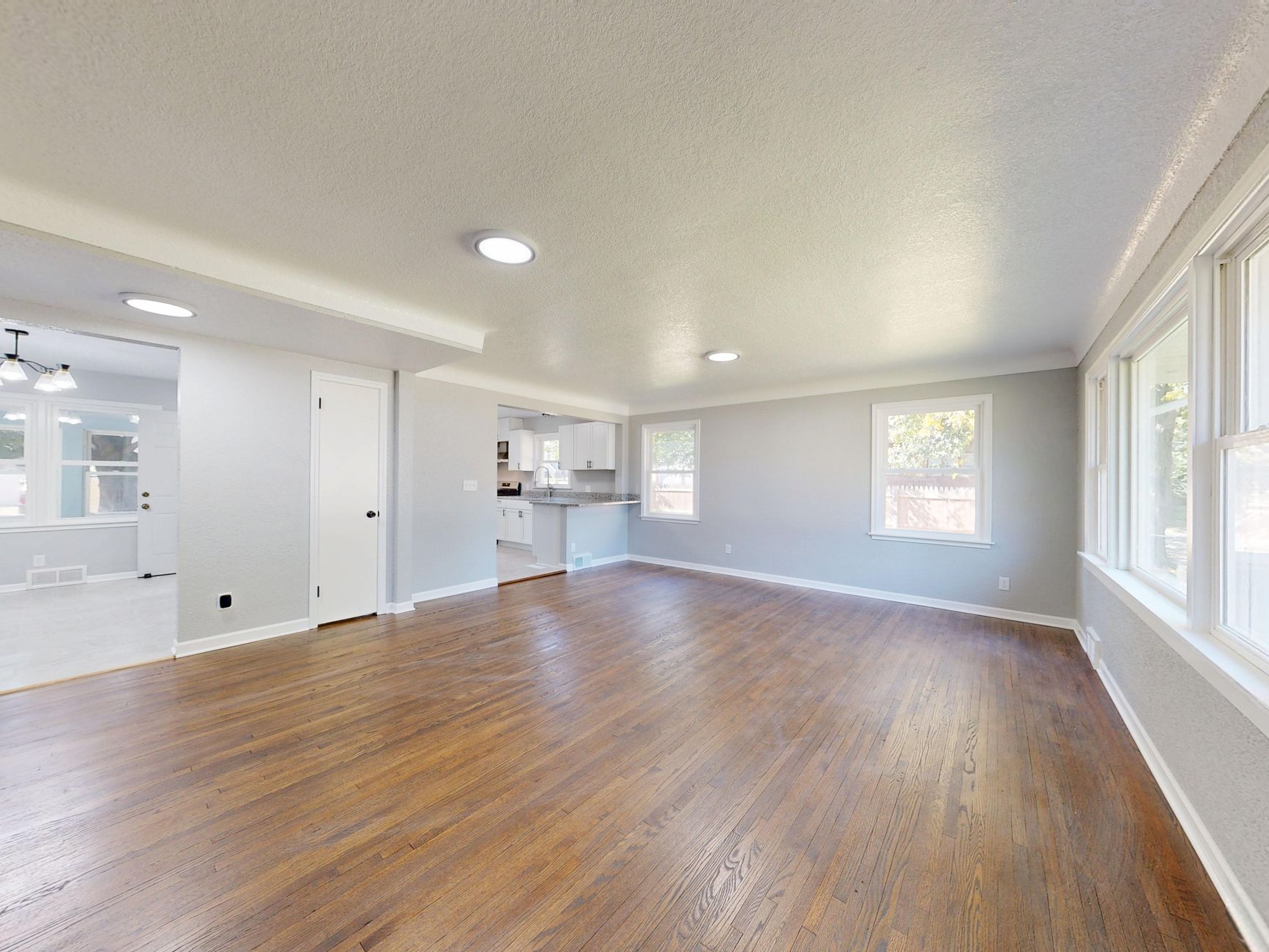
- Neutral painting: neutral colors like off-white, beige or light gray make spaces bright and universally appealing. It costs little and achieves much.
- Minor repairs: leaky faucets, squeaky doors, broken tiles or ceiling cracks. Each small defect communicates neglect and justifies a price reduction request from the buyer.
- Optimized lighting: replace bulbs with high-quality LEDs, open curtains during viewings, add lamps in strategic points. Light is the factor that most influences the perception of space and warmth.
- Professional photographs: in an era when real estate searches almost always start online, having professional-quality photos is crucial. A photographer specializing in properties costs between 150 and 400 euros and can make the difference between an overlooked listing and one that generates 20 viewing requests.
The short-term rental case as a value lever
An interesting alternative for those not in a hurry to sell is to temporarily rent the property short-term (Airbnb, Booking) after renovation. This allows you to offset part of renovation costs, generate income while waiting for the right time to sell and — an aspect often overlooked — present the buyer with a property with documented rental income history. An apartment that has generated 8,000-12,000 euros annually from rental income has a higher perceived value compared to one left vacant.
Documentation and Bureaucratic Aspects: the Invisible Value of a Compliant Home
One of the most common obstacles in Italian real estate transactions is the late discovery of cadastral irregularities, urban planning discrepancies or absence of mandatory certifications. These problems not only block the sale but can cause the price to collapse during negotiations or even lead the buyer to refuse bank mortgage approval.
Before putting on sale, it's essential to:
- Verify cadastral and urban planning compliance of the property, with a surveyor or qualified technician
- Update the cadastral plan if there have been internal modifications not registered
- Obtain updated APE (Energy Performance Certificate), mandatory by law in property sale
- Collect all documentation relating to work performed (building permits, inspections, system certifications)
- Verify the absence of mortgages or liens that could complicate property transfer
A property "clean" from a bureaucratic standpoint is easier to sell, more easily obtains mortgage approval from banks for potential buyers and in many cases commands a higher price simply because it eliminates uncertainty from negotiations.
Frequently Asked Questions
Q: How much can I increase my home's value with renovation? A: It depends on the interventions and property location, but on average a well-planned renovation can increase value by 10-25%. Energy efficiency interventions that improve the energy rating are those with the greatest impact, especially in major cities.
Q: Is it worth renovating before selling or selling "as is for renovation"? A: Generally it's worth doing at least minor interventions (painting, repairs, professional cleaning, home staging) and energy efficiency work if you can take advantage of incentives. Selling "as is for renovation" may only make sense if the target buyer is an investor or if you don't have financial availability to advance costs.
Q: Can I transfer tax incentives to the buyer in case of sale? A: Yes, in case of property sale before the 10 years necessary to use the full deduction have passed, the remaining deduction installments automatically transfer to the buyer, unless otherwise agreed in writing between the parties. This element can be valued during negotiations.
Q: Do renovation works affect the buyer's mortgage request? A: Yes, positively. A renovated property with high energy rating is valued better by the bank appraisal required for mortgage purposes. Some banks also offer favorable mortgage terms ("green mortgages") for properties in class A or B, which increases the number of potential buyers.
Q: How long before the sale should I start planning interventions? A: Ideally 12-18 months before listing. This timeframe allows you to plan work, benefit from tax incentives correctly, perform any cadastral regularizations and prepare complete documentation without seller stress.
Conclusion
Increasing your home's value before selling is a process that requires planning, but the results can be extraordinarily satisfying. The key is to act strategically: don't waste resources on interventions that don't impact the final price, but concentrate on energy efficiency, careful presentation, compliant documentation and intelligent use of tax incentives still available in 2026.
Start with a professional appraisal of the property by an experienced real estate agent and a qualified technician: understanding the starting point is the first step to building a winning strategy. The market rewards well-prepared homes, and the difference between a rushed discounted sale and a satisfying negotiation often plays out in the months before listing, not during the negotiation itself.